Ledger Hardware Wallet for Long-Term Crypto Holding: Complete Storage Guide
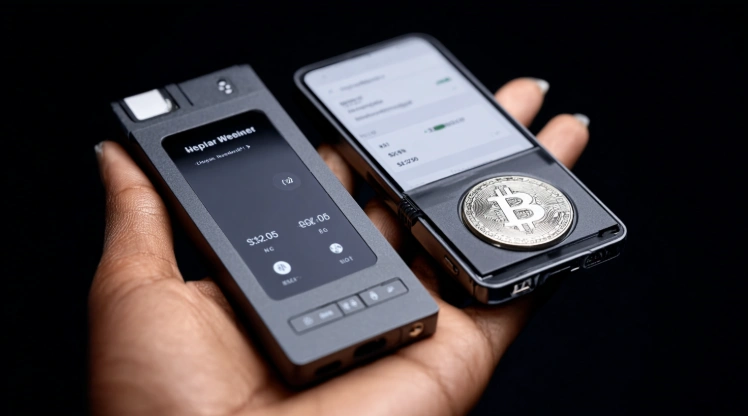
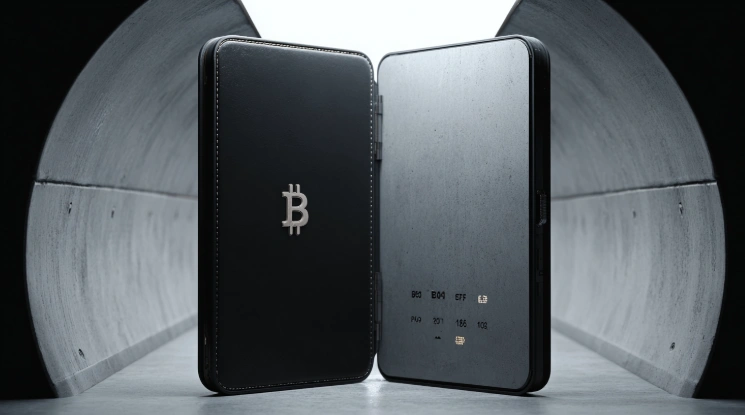
Ledger Hardware Wallet provides the optimal solution for long-term crypto storage through certified secure element technology that protects private keys across extended holding periods. The bitcoin cold wallet functionality secures BTC holdings against network-based threats while supporting diverse cryptocurrency portfolios through unified hardware protection. Long-term holders benefit from architectural security that eliminates ongoing counterparty risk associated with exchange custody or software wallet alternatives.
The cold storage approach addresses fundamental security challenges facing cryptocurrency holders who plan to maintain positions for years or decades. Unlike hot wallets with constant network exposure or exchange accounts dependent on third-party solvency, hardware wallet custody keeps private keys offline under direct user control. This self-custody model provides security that scales with portfolio value without proportional risk increase across all supported coins.
Understanding how Ledger hardware wallet supports long-term holding strategies helps users configure optimal protection for their investment horizons. This guide covers Bitcoin storage, Ethereum and ERC20 management, multi-asset portfolios, risk mitigation, and long-term custody planning through the secure element architecture via USB-C or Bluetooth connectivity.
Secure Bitcoin Storage
Secure Bitcoin Storage through Ledger hardware wallet provides institutional-grade protection for BTC holdings regardless of amount or holding duration. The offline wallet signing mechanism ensures transactions execute without exposing private keys to network-connected environments where threats operate. The private key isolation architecture keeps cryptographic secrets within the tamper-resistant secure element throughout the bitcoin cold wallet lifecycle.
Bitcoin represents the primary use case for hardware wallet adoption, with BTC holders recognizing the importance of self-custody for decentralized digital assets. Ledger's implementation supports all Bitcoin features including SegWit, Taproot, and advanced transaction types for crypto security.
Offline Wallet Signing
Offline wallet signing process for Bitcoin transactions:
Step
Location
Security Benefit
Transaction creation
Connected device
Preparation only
Transaction display
Hardware wallet
Trusted verification
User confirmation
Device buttons
Physical authorization
Cryptographic signing
Secure element
Isolated execution
Signed broadcast
Connected device
Keys never exposed
Network confirmation
Bitcoin network
Permanent record
Offline wallet signing ensures private keys never exist on internet-connected devices where malware, keyloggers, and remote attacks could compromise bitcoin cold wallet security. The hardware wallet handles all cryptographic operations internally.
Recovery phrase provides backup without key exposure
Architecture identical regardless of connected device security
Private key isolation maintains long-term crypto storage integrity regardless of host device vulnerabilities. The secure element protects keys even if connected computers contain malware for cold storage protection unlike Trezor or KeepKey alternatives.
Ethereum Cold Storage
Ethereum Cold Storage capabilities extend hardware wallet protection to ETH holdings and the extensive ERC20 assets ecosystem built on Ethereum. The multi-account support enables organization of diverse token holdings across purpose-specific accounts. Ledger's Ethereum implementation covers the complete ecosystem including Layer 2 networks, DeFi protocols, and NFT management.
Ethereum's smart contract platform creates complex security considerations beyond simple value transfer. Hardware wallet protection ensures users maintain control over assets regardless of protocol interactions through the secure element.
ERC20 Assets
ERC20 assets management through Ledger hardware wallet. Token management capabilities:
Native support for thousands of ERC20 tokens
Automatic token detection within Ledger Live
Manual token addition for new or unlisted assets
Unified portfolio view across all Ethereum assets
Transaction signing for transfers and approvals
Gas fee management for efficient transactions
Token allowance visibility and revocation
Multi-account organization for different purposes
Historical transaction records within interface
Real-time balance and value tracking
ERC20 assets receive identical private keys protection as native ETH holdings. The hardware wallet signs all token transactions through the secure element for cold storage security via USB-C connection.
Multi-Account Support
Account Type
Use Case
Security Benefit
Primary holding
Long-term ETH storage
Core position isolation
DeFi interaction
Protocol participation
Risk segregation
NFT collection
Digital art custody
Asset categorization
Trading account
Active management
Exposure limitation
Staking account
Validator rewards
Reward tracking
Legacy planning
Inheritance preparation
Transfer clarity
Multi-account support enables sophisticated portfolio management while maintaining unified hardware protection. Each account derives from the same recovery phrase with distinct key paths for crypto security across all supported coins.
Multi-Asset Ledger Use
Multi-Asset Ledger Use accommodates diverse cryptocurrency portfolios through support for 5,500+ assets across major blockchain networks. The altcoins storage capabilities extend beyond Bitcoin and Ethereum to include Solana, Cardano, Polkadot, and thousands of other cryptocurrencies. The portfolio management features provide unified visibility across holdings for long-term crypto storage.
Diversified portfolios benefit from consolidated hardware protection rather than managing multiple security solutions. The Ledger approach supports portfolio growth without proportional complexity increase.
Altcoins Storage
Altcoins storage across supported blockchain networks:
Solana (SOL) and SPL tokens
Cardano (ADA) and native assets
Polkadot (DOT) and parachains
Cosmos (ATOM) and IBC chains
Avalanche (AVAX) and subnets
Polygon (MATIC) and ecosystem
Arbitrum and Optimism Layer 2s
Thousands of additional networks
Altcoins storage provides unified cold wallet protection across diverse holdings. Each blockchain network receives dedicated application within Ledger Live while sharing the secure element protection via Bluetooth or USB-C connection.
Portfolio Management
Feature
Capability
User Benefit
Balance tracking
Real-time across assets
Position awareness
Value calculation
Fiat conversion
Portfolio valuation
Historical charts
Performance over time
Investment analysis
Account organization
Purpose-based grouping
Clarity and control
Transaction history
Complete records
Tax and audit support
Export functionality
CSV data extraction
External analysis
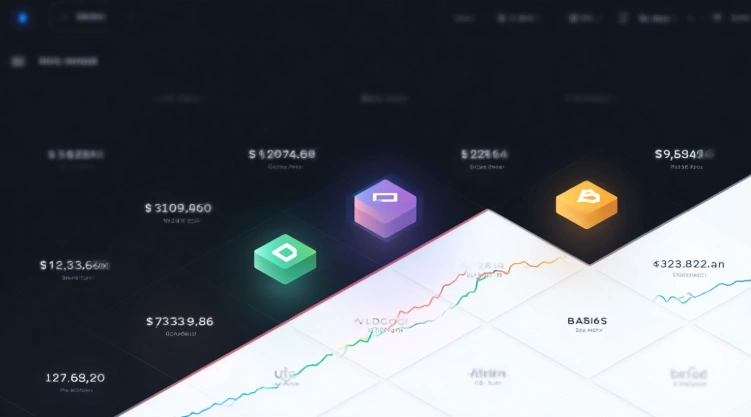
Portfolio management enables informed long-term crypto storage decisions through comprehensive visibility. The bitcoin cold wallet and altcoins storage integrate within unified interface for private keys protection.
Risk Mitigation
Risk Mitigation through hardware wallet custody addresses documented threats that have caused billions in cryptocurrency losses. The exchange hack protection eliminates counterparty risk while offline custody reliability provides consistent security regardless of external events. Understanding risk factors helps users appreciate hardware wallet value for long-term holding.
Risk assessment should inform custody decisions proportional to portfolio value and holding duration. Higher values and longer durations increase exposure to cumulative risk factors.
Exchange Hack Protection
Exchange hack protection through self-custody. Exchange risk factors eliminated:
Platform security breaches exposing funds
Insider theft by exchange employees
Insolvency and bankruptcy affecting withdrawals
Regulatory seizures impacting access
Account lockouts during market volatility
Identity theft compromising account security
Terms of service changes affecting holdings
Geographic restrictions limiting access
Platform closure eliminating recovery options
Counterparty risk throughout custody duration
Exchange hack protection transfers security responsibility to the individual user. Hardware wallet self-custody eliminates dependency on third-party security practices for cold storage across all supported coins.
Offline Custody Reliability
Offline custody reliability for long-term holding:
No ongoing service dependency
No subscription or maintenance fees
No platform availability requirements
No geographic restrictions on access
No identity verification for transactions
Recovery possible on any compatible device
Security independent of company solvency
Control maintained regardless of regulations
Offline custody reliability ensures cryptocurrency access regardless of external factors affecting exchanges, services, or jurisdictions. The secure element provides consistent protection throughout extended holding periods for crypto security unlike Trezor or KeepKey architecture.
Long-Term Asset Strategy
Long-Term Asset Strategy considerations extend beyond immediate security to address inheritance planning and recovery redundancy across decades of potential holding. The hardware wallet approach supports multi-generational wealth transfer while maintaining security throughout. Planning for various scenarios protects both assets and access continuity.
Long-term strategy requires documentation, backup redundancy, and succession planning that accompanies technical security measures for comprehensive private keys protection.
Inheritance Planning
Element
Implementation
Purpose
Recovery phrase documentation
Secure written backup
Asset access transfer
Location communication
Trusted party awareness
Backup discovery
Instruction preparation
Clear procedures
Successful recovery
Legal documentation
Will or trust inclusion
Legal recognition
Device provision
Hardware for recovery
Technical capability
Education
Heir knowledge transfer
Competent execution
Inheritance planning ensures bitcoin cold wallet holdings transfer successfully to intended beneficiaries. Documentation must balance accessibility for heirs against security during holder's lifetime for long-term crypto storage.
Recovery Redundancy
Recovery redundancy protecting against loss scenarios:
Multiple physical backup copies of recovery phrase
Geographic distribution across locations
Durable storage media (metal backup plates)
Secondary device for quick restoration capability
Documented procedures for various scenarios
Periodic backup verification and condition checks
Trusted party awareness for emergency access
Recovery redundancy protects long-term crypto storage against localized disasters, theft, or damage affecting single backup locations. The recovery phrase provides restoration capability across any compatible hardware wallet via USB-C or Bluetooth connection.
Yes. Hardware wallet cold storage provides optimal security for extended holding periods. Offline custody eliminates ongoing counterparty risk while the secure element protects private keys indefinitely.
Indefinitely. The secure element maintains key integrity without degradation. Device lifespan is typically 5-10 years, but recovery phrase enables restoration to new devices whenever needed.
Cryptocurrency remains accessible through recovery phrase. The phrase restores to any BIP-39 compatible wallet regardless of Ledger business status. Self-custody ensures independence from company operations.
Single device works for most users. Consider multiple devices with separate phrases for very large portfolios where risk segregation justifies additional complexity and cost.
Document recovery phrase location and procedures for heirs. Include cryptocurrency in estate planning with clear instructions. Consider trusted party awareness for emergency access.
Yes. Ledger supports 5,500+ cryptocurrencies across major networks. Device storage accommodates 100+ applications simultaneously for comprehensive portfolio management.
Self-custody eliminates counterparty risk. Exchange storage exposes holdings to platform hacks, insolvency, and access restrictions. Hardware wallet control remains independent of third parties.