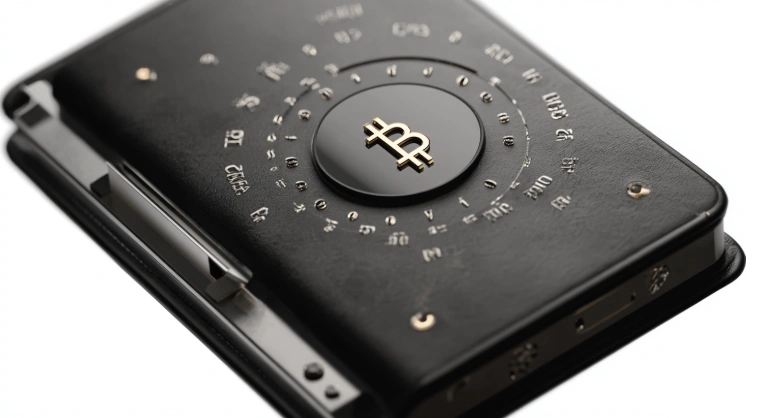
Ledger Hardware Wallet for DeFi and NFT Users: Complete Security Guide
Ledger Hardware Wallet provides essential security infrastructure for DeFi hardware wallet users and NFT collectors navigating the complex Web3 ecosystem. The NFT cold storage capabilities protect valuable digital art and collectibles while maintaining accessibility for viewing and transfer. DeFi participants benefit from hardware-secured transaction signing that protects against protocol exploits and malicious contract interactions across all supported coins.
The Web3 ecosystem introduces security challenges beyond simple cryptocurrency storage. Smart contract interactions, token approvals, and protocol participation create attack surfaces that software wallets cannot adequately protect. Hardware wallet integration with MetaMask and other Web3 interfaces provides cold storage security for active ecosystem participation via USB-C or Bluetooth connectivity.
Understanding how Ledger hardware wallet supports DeFi and NFT activities helps users implement appropriate protection for their digital asset portfolios. This guide covers NFT custody, staking security, Web3 access, asset segregation, and software safety through the secure element architecture.
NFT Storage Security
NFT Storage Security through Ledger hardware wallet protects valuable digital collectibles with the same certified security used for cryptocurrency holdings. The Ethereum NFT custody capabilities cover ERC-721 and ERC-1155 token standards across major marketplace platforms. The smart contract approvals management helps users understand and control protocol permissions granted to their wallets.
NFT security requires attention to both custody (protecting owned assets) and interaction security (preventing malicious transfers during marketplace activity). Hardware wallet protection addresses both concerns for private keys security.
Ethereum NFT Custody
Feature
Capability
Security Benefit
ERC-721 support
Standard NFT custody
Individual token protection
ERC-1155 support
Multi-token standard
Efficient collection storage
Gallery viewing
Visual display in Ledger Live
Verification without exposure
Metadata display
Collection and trait information
Authentication confirmation
Transfer signing
Hardware-confirmed sends
Theft prevention
Listing approval
Marketplace authorization
Controlled access
Ethereum NFT custody maintains private keys within the secure element while enabling full collection management. Visual gallery features allow viewing without compromising NFT cold storage security for crypto security.
Smart Contract Approvals
Smart contract approvals management for NFT safety. Approval security practices:
Review every approval request on hardware display
Verify contract addresses match expected protocols
Understand unlimited vs limited approvals
Revoke unnecessary approvals periodically
Use approval checkers to audit existing permissions
Avoid approving unfamiliar contracts
Consider separate wallets for risky interactions
Never rush approval decisions under pressure
Verify marketplace legitimacy before connecting
Monitor wallet for unexpected approval requests
Smart contract approvals represent significant security decisions. Hardware wallet display shows true approval details preventing manipulation by compromised interfaces for DeFi hardware wallet protection via USB-C connection.
DeFi Staking Protection
DeFi Staking Protection ensures hardware wallet staking operations maintain security throughout delegation and reward collection. The Ledger Live integration provides native staking for major proof-of-stake networks. Hardware-secured staking protects both principal and earned rewards through the secure element.
Staking represents long-term asset commitment requiring sustained security. Hardware wallet protection ensures staked assets remain protected throughout staking periods across all supported coins.
Hardware Wallet Staking
Network
Staking Type
Integration
Ethereum
Liquid staking (Lido)
Ledger Live native
Solana
Delegation
Ledger Live native
Cosmos
Delegation
Ledger Live native
Polkadot
Nomination
Ledger Live native
Tezos
Delegation
Ledger Live native
Cardano
Delegation
Third-party wallet
Hardware wallet staking maintains private keys custody while earning protocol rewards. The secure element signs delegation and withdrawal transactions for cold storage staking protection unlike Trezor or KeepKey integration.
Ledger Live Integration
Native staking interface within application
Validator selection and comparison tools
Reward tracking and history
Compound or claim options
APY estimates and projections
Unbonding period visibility
Multi-network staking dashboard
Transaction signing through hardware
Ledger Live integration enables convenient staking management while maintaining hardware security. All staking transactions require device confirmation for DeFi hardware wallet protection via Bluetooth or USB-C.
Web3 Access Security
Web3 Access Security enables participation in decentralized applications while maintaining hardware wallet protection. The MetaMask hardware bridge connects Ledger security to the most popular Web3 wallet interface. The transaction confirmation process ensures users verify all operations on the trusted hardware display before execution.
Web3 participation exposes users to sophisticated attacks including malicious dApps, approval exploits, and phishing sites. Hardware wallet signing provides defense against these threats for NFT cold storage and DeFi security.
MetaMask Hardware Bridge
MetaMask hardware bridge configuration and usage. Connection workflow:
Install MetaMask browser extension
Select "Connect Hardware Wallet" option
Choose Ledger from device list
Connect Ledger via USB-C cable
Unlock device and open Ethereum app
Select accounts to import into MetaMask
MetaMask displays hardware wallet addresses
Browse to dApp and connect MetaMask
Transaction requests route to Ledger device
Confirm or reject on hardware display
MetaMask hardware bridge provides Web3 access through familiar interface while maintaining secure element protection. Private keys never leave the Ledger device regardless of MetaMask security status for crypto security.
Transaction Confirmation
Display Element
Verification Purpose
Risk if Skipped
Recipient address
Correct destination
Fund misdirection
Transaction amount
Expected value
Excessive payment
Token type
Correct asset
Wrong asset transfer
Network fee
Reasonable cost
Fee manipulation
Contract interaction
Expected function
Malicious execution
Approval scope
Limited permission
Unlimited access
Transaction confirmation on hardware display reveals true operation details regardless of interface manipulation. The secure element presents accurate information for informed decision-making on private keys operations via USB-C or Bluetooth.
Asset Segregation
Asset Segregation reduces risk through multi-wallet management distributing holdings across separate security domains. The private key partitioning approach creates independent wallets that compartmentalize exposure. Segregation limits potential losses from any single security incident across all supported coins.
Advanced users and high-value portfolios benefit from segregation strategies that match security intensity to asset categories and interaction risk levels for DeFi hardware wallet protection.
Multi-Wallet Management
Multi-wallet management strategies for risk distribution:
NFT activity wallet: Marketplace engagement, limited value
Hot wallet allowance: Daily transactions, acceptable loss amount
Testing wallet: New protocol evaluation, minimal funds
Multi-wallet management enables Web3 participation without exposing entire portfolios. Each wallet operates independently with separate recovery phrases for NFT cold storage security.
Private Key Partitioning
Approach
Implementation
Best For
Multiple devices
Separate Ledger per wallet
Maximum isolation
Multiple phrases
Different recovery for each use
Cost-effective separation
Account segregation
Same phrase, different accounts
Convenient organization
Passphrase wallets
Hidden wallets from same seed
Plausible deniability
Multi-signature
Multiple keys required
Institutional security
Private key partitioning creates independent security domains. Compromise of one wallet cannot affect others with separate key material for cold wallet protection unlike Trezor or KeepKey multi-wallet approaches.
Firmware and App Safety
Firmware and App Safety ensures software integrity throughout hardware wallet operation supporting NFT cold storage and DeFi security. The Ledger Live updates maintain security patches and feature improvements while official app pairing prevents malicious software from compromising transactions. Software safety complements hardware security for complete protection.
DeFi and NFT activities require maintained software to ensure compatibility with evolving protocols and continued security against emerging threats.
Ledger Live Updates
Ledger Live updates maintenance for ongoing security:
Enable automatic update notifications
Apply updates promptly after release
Verify update source is official ledger.com
Review release notes for security information
Complete device genuine check after updates
Test functionality after major version changes
Maintain device firmware currency alongside app
Report any anomalous update behavior
Ledger Live updates address vulnerabilities and maintain protocol compatibility. Prompt installation minimizes exposure windows for DeFi hardware wallet users via USB-C or Bluetooth systems.
Official App Pairing
Platform
Official Source
Warning Signs
Windows
ledger.com
Unsigned installer
macOS
ledger.com
Unverified developer
Linux
ledger.com
Untrusted repository
iOS
App Store "Ledger Live"
Different publisher
Android
Google Play "Ledger Live"
APK from website
Browser
No official extension
Any browser extension
Official app pairing prevents malicious software impersonation. Counterfeit applications may display false transaction details while routing funds to attacker addresses for private keys compromise.
Yes. Ledger supports ERC-721 and ERC-1155 NFT standards with visual gallery display in Ledger Live. Hardware protection secures valuable collectibles while maintaining viewing and transfer capability.
Connect via USB-C, select "Connect Hardware Wallet" in MetaMask, choose Ledger, and select accounts to import. Transactions then route to hardware for confirmation while using MetaMask interface.
Yes. Ledger Live supports native staking for major networks. Private keys remain in secure element throughout delegation, reward collection, and unstaking operations.
Recommended for active DeFi users. Segregating holdings limits exposure from protocol exploits or approval issues affecting interaction wallets without compromising primary storage.
Review every approval on hardware display. Verify contract addresses, understand approval scope, and revoke unnecessary permissions periodically. Never rush approval decisions.
Not without hardware confirmation. Malware cannot initiate transfers without physical device approval. The secure element prevents unauthorized signing regardless of computer security.
Most Ethereum DeFi protocols through MetaMask integration. Native Ledger Live supports staking on multiple networks. Check specific protocol documentation for hardware wallet compatibility.